How parents can play a key role in the prevention and treatment of teen mental health problems

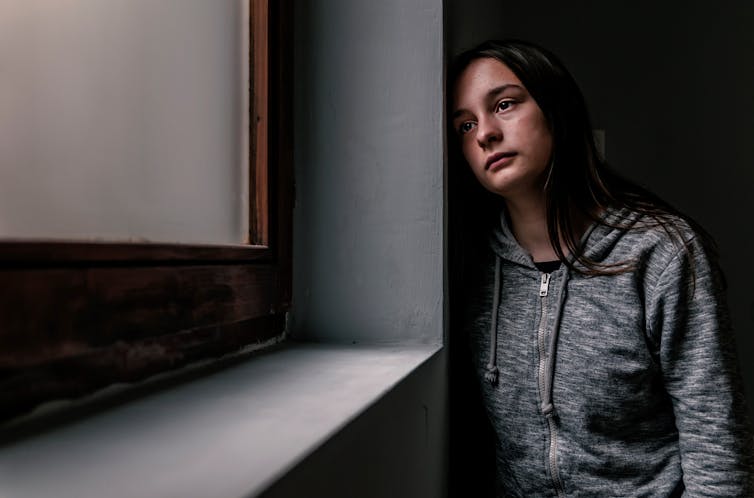
Early detection is key to treating depression in teenagers. dragana991/iStock via Getty Images Plus

Toria Herd, Penn State and Sarah A. Font, Penn State

More than 44% of teens reported persistent feelings of sadness and hopelessness in the first half of 2021, according to a report from the Centers for Disease Control and Prevention. The early 2022 report, which was based on an online survey, also found that nearly 20% had seriously considered suicide, and 9% attempted suicide.

The COVID-19 pandemic is a likely contributor to these startling figures, but rates of teen mental illness have been rising over the past decade.

One crucial factor that has received little attention in supporting teen mental health is the role that parents can play.

This is surprising since research has clearly established that participation by a caregiver in their child’s mental health treatment is directly related to a successful outcome. A key reason for this is that parents generally interact with their teens on a daily basis and can model and cultivate coping skills.

Yet, for mental health professionals, it can be challenging to integrate parents into teens’ treatment when there are discrepancies between the perspectives, goals and expectations of teens and parents. In addition, consent and privacy laws sometimes limit providers’ abilities to disclose key details about a teen’s mental health to parents.

As researchers studying childhood trauma and adolescent development, we see parents and caregivers as a critical link in addressing the urgent mental health crisis among teens.

The teenage years can be brutal

Parents often dread the teenage years, anticipating mood swings, risk-taking behaviors and endless arguments. Some of this is developmentally normal: Teens are developing their identities, testing limits and asserting their autonomy. These combined factors can lead to hostility and a lower-quality parent-teen relationship.

Physically, teens are sleep-deprived, in part due to overly early school start times and hormonal changes associated with puberty. As a result, teens can be irritable and sensitive to stressors. They also haven’t developed the self-control to manage their reactions.

And it’s important to note that half of all mental illness emerges by age 14 and 75% by age 24, making adolescence a highly sensitive period for the prevention and treatment of mental health problems.

Signs and symptoms of a mental health concern

Mental health problems in teens can sometimes take unexpected forms. Depression and anxiety can manifest as irritability and noncompliance, which parents may reasonably view as disrespect and laziness. Understanding what is beneath those behaviors is challenging. Teens are quite secretive, so they may not disclose the extent of their struggles.

Traumatic experiences like bullying, dating violence, sexual harassment and assault are unfortunately too common in adolescence and can cause drastic changes in behavior and affect.

Although anxiety is a normal emotional response at any age, about a third of adolescents have some type of anxiety disorder, and about 10% experience severe impairment as a result. Teens struggling with chronic anxiety may experience agitation or irritability, issues with sleep, perfectionist tendencies, or may try to avoid stressful things altogether. https://www.youtube.com/embed/wr4N-SdekqY?wmode=transparent&start=0 Keeping a journal, exercising regularly, and maintaining a sleep routine are three ways for teens to cope with stress.

Among teens, 17% struggle with depression. Depression generally involves a loss of interest or pleasure in daily activities, but it is more than feeling blue. For teens, symptoms of depression may look like withdrawing from family or social activities, shutting down during conversations or conflict, lethargy, difficulty concentrating, hopelessness about the future or negative feelings of self-worth.

Depression can also be associated with self-harm and suicide.

In determining whether a teen is experiencing a mental illness, parents should consider how behaviors are affecting their teens’ everyday lives and plans for the future. Those who are falling behind in school, damaging important relationships, or engaging in high-risk behaviors may be most likely to be experiencing a mental health issue – as opposed to typical teenage challenges.

A shortage of mental health care

Despite the growing need for mental health care, the U.S. has a dire shortage of professionals to meet the demand. Insurance companies create barriers to accessing mental health care by restricting the numbers of in-network providers and approved sessions. As a result, many providers prioritize patients who will pay out of pocket.

Parents and teens may wait months for an appointment, and the quality and effectiveness of the services they receive are highly variable. All the while, symptoms may worsen, straining the family and compromising teens’ social and academic opportunities.

The powerful role parents can play

This is where parents come in, since they can serve as role models for teens’ coping and emotional development.

While good sleep, consistent exercise and quality meals can often be the first line of defense in preventing and managing symptoms of mental health problems, there are several behavioral strategies for parenting struggling teens. Indeed, foster parents care for children with complex histories of trauma, and many of the behavior management strategies taught to foster parents may be useful for traditional family settings as well.

When teens are unkind or disrespectful, parents may take it personally. But parents who are aware of and able to manage their own triggers can react calmly to challenging behavior, creating opportunities for effective communication with their teen.

Building and maintaining the parent-teen connection, such as by watching a TV show together or other low-pressure opportunities to be together, is key. These experiences create safe spaces and opportunities for teens to communicate about difficult emotions or situations. Parents who assist teens in recognizing, talking about and dealing with difficult thoughts and feelings help them to understand how their thoughts and feelings can affect their behavior. https://www.youtube.com/embed/OVE_JmOK4hs?wmode=transparent&start=0 Set up a behavior contract with your teen.

Parents can also help their teens manage negative emotions by reinforcing their self-esteem and strengths and encouraging self-efficacy. Parents who offer praise to their teens who are working hard to overcome challenges – as opposed to focusing solely on the outcome – can help teens see their worth beyond their accomplishments.

At the same time, teens require boundaries that allow them to build self-reliance, exercise independence and practice compromise in certain situations. Behavior contracts – in which teens and their parents agree to certain conditions in writing – can provide a structured way to establish shared expectations.

When consequences are necessary, natural consequences allow teens to learn without parental intervention. For example, if a teen stays up late the night before a big softball game, their coach may bench them for playing poorly. Parents can help teens to connect the frustration and disappointment they experience to their choices regarding sleep, which can be more helpful for their future decision-making than getting into an argument with a parent about their decision or receiving a parent-imposed consequence, such as removing phone privileges.

When natural consequences are not an option, discipline should be specific, time-limited and focused on a specific outcome, such as not allowing preferred activities until homework and chores are complete.

It is also important that parents avoid power struggles with their teens by modeling respectful communication without trying to manage the teen’s reaction or perspective. Teens are unlikely to admit to being wrong – particularly in a heated moment – and if the point is made, there is rarely a benefit to insisting upon a particular reaction such as a forced apology.

Parents can best support their teens by maintaining connection alongside enforcing structure and discipline. While challenging behaviors can be the status quo of adolescence, parents should be on the lookout for signs that might reflect a pervasive mental health issue, since early detection and treatment is crucial.

Toria Herd, Postdoctoral Researcher in Psychology, Penn State and Sarah A. Font, Associate Professor of Sociology and Public Policy, Penn State

This article is republished from The Conversation under a Creative Commons license. Read the original article.


How can you tell if something is true? Here are 3 questions to ask yourself about what you see, hear and read

Emotions can get in the way of knowing what’s true. Elva Etienne/Moment via Getty Images

Bob Britten, West Virginia University

Curious Kids is a series for children of all ages. If you have a question you’d like an expert to answer, send it to curiouskidsus@theconversation.com.


How can I tell if what I am hearing is true? – Adam, age 10, Maui, Hawaii


Have you ever heard a story so exciting you wanted to share it right away? Something like a shark swimming up a flooded highway?

An image that seems to show just that was shared by many people after Hurricane Ian struck Florida in 2022. It was also widely shared after Hurricane Harvey hit Houston, Texas, in 2017. It’s a fake – a flooded highway image combined with one of a great white shark. The fact-checking website Snopes found it circulating as far back as 2011 after Hurricane Irene slammed Puerto Rico.

Truth can be tricky to determine. Every message you read, see or hear comes from somewhere and was created by someone and for someone.

I teach media literacy, which is a way to think about information you get in the messages you receive via media. You might think media means the news, but it also includes TikTok posts, television, books, advertisements and more.

When deciding whether to trust a piece of information, it’s good to start with three main questions – who said it, what evidence did they give and how much do you want to believe it? The last one might seem a little strange, but you’ll see why it’s important by the end.

Who said it?

Let’s say you’re really excited about a game that’s coming out later this year. You want to be the first to learn about the new creatures, characters and game modes. So when a YouTube video pops up saying, “GAME COMING TWO WEEKS EARLY,” you can’t wait to watch. But when you click, it’s just a guy making predictions. Do you trust him?

A source is where information comes from. You get information from sources every day – from teachers, parents and friends to people you’ve never met on news sites, fan channels and social media. You probably have sources you trust and ones you don’t. But why?

Would you trust your history teacher to tell you something about history? Probably, because they have a college degree that says they know their stuff. But what if your history teacher told you a fact about science your science teacher said was untrue? You’d probably be better off going with the science teacher for your science facts. Just because a source is trustworthy in one subject doesn’t mean they’re trustworthy in every subject.

Let’s go back to the YouTuber. If you’ve watched him for a while and he’s reliably correct, that’s a good start. At the same time, make sure you don’t confuse his having an opinion with actually having knowledge. Just because you like a source doesn’t make it trustworthy.

This is true for websites, too. When a site grabs your attention, take a second to check the source at the top. Some fake sites use names that sound trustworthy – like “Boston Tribune” instead of “Boston Globe” or “www.cbs.com.co” instead of “www.cbs.com.” You can click the “About” page to see where they’re really coming from, use lists of known fake sites and other fact-checking resources to avoid getting played.

Boy in baseball cap looking at his phone outside on street corner.
Don’t believe everything you see. imtmphoto/iStock/Getty Images Plus

What’s the evidence?

Evidence is what you show when someone says “prove it!” It’s the details that support what a source is saying.

Primary sources – people or groups who are directly involved with the information – are best. If you want to learn about the release of a new game, the company’s official accounts or channels would be primary sources.

Secondary sources are one step removed – for example, news stories based on primary sources. They aren’t as strong as primary sources but are still useful. For example, most news on gaming site IGN is based on information from game company sources, so it’s a good secondary source.

Can a blogger or YouTuber be a secondary source? If their claims start by referencing primary sources like “Electronic Arts says,” that’s good. But if they start with “I think” or “There’s a lot of buzz,” be careful.

Do you want to believe it?

Emotions can get in the way of knowing what’s true. Messages that make you feel strong emotions – especially ones that are funny or make you angry – are the most important ones to check, but they’re also the hardest to ignore.

Advertisers know this. Many ads try to be funny or make the things they’re selling look cool because they want you to focus on how you feel rather than what you think. And being older doesn’t mean you’re automatically better at spotting false information: 41% of 18-to-34-year-olds and 44% of adults 65 and older admitted to having fallen for a fake news story in a 2018 study. Other research showed adults over 65 were seven times as likely to share articles from fake sites as younger people were.

So if you’ve been eagerly waiting for that new game, and somebody posts a video that says it’s coming out early, your wanting it to be true can make you ignore your common sense – leaving you open to being fooled.

The best question you can ask yourself when you’re thinking about a message is, “Do I want to believe this?” If the answer is yes, it’s a good sign you should slow down and check the source and evidence more closely.


Hello, curious kids! Do you have a question you’d like an expert to answer? Ask an adult to send your question to CuriousKidsUS@theconversation.com. Please tell us your name, age and the city where you live.

And since curiosity has no age limit – adults, let us know what you’re wondering, too. We won’t be able to answer every question, but we will do our best.

Bob Britten, Teaching Associate Professor of Media, West Virginia University

This article is republished from The Conversation under a Creative Commons license. Read the original article.

Religions have long known that getting away from it all is good for the mind, body and spirit

Rest and relaxation is essential – a lesson religions learned long ago. Maryna Terletska/Moment via Getty Images

Kristen Lucken, Brandeis University

Summer vacations are coming to an end – though not everyone took one.

Under federal law, U.S. companies aren’t required to offer a single paid vacation day, compared to the at least 20 required in the European Union. About 1 in 4 U.S. workers don’t receive any, and even among those who do, few make full use of them. More than half leave at least some vacation days untouched, and almost 1 in 5 say they feel guilty leaving the office, according to a 2019 survey by Priceline.

Americans in lower income brackets are less likely to get away on vacation – a particular concern this summer, with food and gas prices high.

This no-break culture has real consequences for physical, mental and spiritual health. A 2014 Gallup poll found that taking regular vacations with family and friends is linked to a higher sense of well-being, regardless of one’s income. Activities that lead to an improved sense of well-being are positively associated with improved health and productivity.

The importance of getting away from it all isn’t just backed up by contemporary research, though. As a scholar who studies the sociology of religion, I know that religious practices have long emphasized rest and contemplation, which not only improve a person’s mental and physical health, but can also boost a sense of spiritual well-being. And escaping the busyness of everyday life does not have to drain one’s wallet.

Faith, contemplation and rest

Box of Yehuda brand Shabbat candles, used during the Shabbat celebration.
Themes of rest and contemplation are woven through many religious traditions. Smith Collection/Gado/Getty Images

The Abrahamic traditions of Judaism, Christianity and Islam view a day of rest each week as a sacred right and responsibility of believers. The traditional Jewish Shabbat offers a 24-hour period beginning at sundown on Friday when the busyness of everyday life halts. Participants gather to worship, share a meal, study and pray.

Similarly, practicing Muslims celebrate their holy day on Fridays. This is a time when Muslims step away from work to attend a midday jumah, a prayer service at a local mosque, where imams offer sermons on a range of intellectual, spiritual and practical topics and lead congregations in prayer.

Although attendance numbers are declining, many Christians observe the holy Sabbath on Sundays through church attendance, communal worship, music and the sharing of the Eucharist, when Christians consecrate and consume bread and wine representing the body and blood of Jesus Christ. The Christian Sabbath represents a time to rest, pray, worship and spend time with family.

Branches of Islam, Christianity and Judaism additionally call for regular times of prayer and contemplation as part of daily and yearly cycles. In the Islamic tradition, stopping to pray throughout the day represents one of Islam’s five pillars of faith.

Through the practice of meditation, religious traditions quiet the senses to achieve a mindset of rest that they believe brings about heightened consciousness. Hindus, Buddhists and Jains teach the concept of dhyana, which generally translates to “contemplation.”

Through yoga, meditation and other contemplative practices, practitioners can achieve a state of meditative consciousness and self-awareness that can lead to better mental, physical and spiritual health.

Quieting the mind

Religions emphasize the need for rest and quiet reflection so our overcluttered minds can focus on prayer and other contemplative practices. In the Bible, the Apostle Paul discusses how cultivating the “fruit of the spirit” through prayer and contemplation moves us toward patience and away from egocentrism.

Buddhists believe that quieting the mind through meditation can help people recognize that their feelings, perceptions, worldviews and even the self are impermanent features of life that can cause suffering. It can also help people contemplate their connectedness to the world around them.

Rest and contemplation help connect religious people with the deeper sources of meaning they seek to cultivate through scriptural study, meditation and prayer. As the American Trappist monk Thomas Merton explains in his 1948 autobiographical book “The Seven Storey Mountain,” contemplation is a time of rest, the suspension of activity and a “withdrawal into the mysterious interior solitude in which the soul is absorbed in the immense and fruitful silence of God.”

Health benefits of rest and meditation

Medical science has become religion’s unexpected partner in confirming the benefits generated by these religious practices.

Researchers have found an association between downtime, learning and creativity. Sleep, nature walks and exercise offer a number of life-enhancing benefits, including improved memory, productivity and physical health. Recent advances in neuroimaging technologies have allowed researchers to observe brain changes during times of intense prayer, yoga and mindfulness meditation. Scientific evidence suggests that engaging in these practices may lead to improved health and well-being.

A broad range of clinical studies note that regular meditation can physically alter the brain and how it responds to the world. For instance, these practices have been found to transform the brain’s neural pathways and create new neurological networks that can lead to improved health and well-being.

Research on the practices of Japanese and Chinese Buddhist monks reveals benefits for physical and mental health. Furthermore, active meditations, such as yoga, qi gong and tai chi, are found to increase a sense of well-being through the regulation of mood and the reduction in anxiety and depression.

If you can’t break away from work this summer, you can still improve your physical, mental and spiritual health by taking time to rest, exercise, sleep, meditate or pray. Think of these practices as mini “staycations” that allow us to vacate our minds of stress and worry while improving our well-being.

This is an updated version of an article originally published on July 23, 2021.

Kristen Lucken, Lecturer in Religious Studies, Brandeis University

This article is republished from The Conversation under a Creative Commons license. Read the original article.

Ray’s Ramblings 11-16-2022

Well looks like that here in the U.S.A. are in for 2 years of a get nothing done congress, a bunch of party-motivated investigations, and so on now that it is a divided congress between Republicans and Democrats. The House will waste money and time on vengeance comities to hurt the Biden administration and the democrats that headed up the Jan 6th committee and so on. I really hope the republicans do not go down that road, had enough of comities and investigations from the Democrats and I think their time would be better spent trying to reach across the aisle and make some bi-partisan legislation to take care of all those problems they touted the democrats either failed at, etc.

To be honest, I am about fed up with both parties in our government and all their rhetoric, disdain for each other, and b.s. they exaggerate to pump up their voters, etc. If both parties spent just half the energy and money on fixing issues this country is facing that they put into their campaigns and partisan agendas we probably would be a far better off country than we are. Both sides are leaning too much to the extreme in their rhetoric and policies I think, the days of having moderates that are willing to reach across the aisle are basically a thing of the past. If a party member reaches across the aisle they get labeled as a traitor or a Rino / Dino by their colleagues and that is just unproductive and quite juvenile.

We elected those people in congress to represent us all, not just the base of their party or just their party alone. They need to listen to who they were elected by more than they listen to the party in the end. We need good people in office who serve the people and not just follow the beat of one political party or another. Sure stick by their party’s values and political framework for the most part but represent the people who put them in power and also pay their paychecks. We need leaders in congress, not lemmings that follow the crowd, people who get stuff done and think outside the box that being in a political party puts them in.

Well, that’s my political rant for the end of this year, and it is not aimed at one party or another, both sides have been failing us in many ways. I really hope that politics will soon not be on the news all week and we can return to a somewhat normalcy in the news cycle and in life. I wish my Democrat, Independent, Republican, and third-party brothers and sisters happy holidays and peace on earth.

Peace and blessings to all

How cancer cells can become immortal – new research finds a mutated gene that helps melanoma defeat the normal limits on repeated replication

Melanoma is a particularly aggressive form of skin cancer. Dlumen/iStock via Getty Images Plus

Pattra Chun-On, University of Pittsburgh Health Sciences and Jonathan Alder, University of Pittsburgh Health Sciences

A defining characteristic of cancer cells is their immortality. Usually, normal cells are limited in the number of times they can divide before they stop growing. Cancer cells, however, can overcome this limitation to form tumors and bypass “mortality” by continuing to replicate.

Telomeres play an essential role in determining how many times a cell can divide. These repetitive sequences of DNA are located at the ends of chromosomes, structures that contain genetic information. In normal cells, continued rounds of replication shorten telomeres until they become so short that they eventually trigger the cell to stop replicating. In contrast, tumor cells can maintain the lengths of their telomeres by activating an enzyme called telomerase that rebuilds telomeres during each replication.

Diagram of chromosome with red telomeres at the ends
Telomeres are protective caps at the ends of chromosomes. FancyTapis/iStock via Getty Images Plus

Telomerase is encoded by a gene called TERT, one of the most frequently mutated genes in cancer. TERT mutations cause cells to make a little too much telomerase and are thought to help cancer cells keep their telomeres long even though they replicate at high rates. Melanoma, an aggressive form of skin cancer, is highly dependent on telomerase to grow, and three-quarters of all melanomas acquire mutations in telomerase. These same TERT mutations also occur across other cancer types.

Unexpectedly, researchers found that TERT mutations could only partially explain the longevity of telomeres in melanoma. While TERT mutations did indeed extend the life span of cells, they did not make them immortal. That meant there must be something else that helps telomerase allow cells to grow uncontrollably. But what that “second hit” might be has been unclear.

We are researchers who study the role telomeres play in human health and diseases like cancer in the Alder Lab at the University of Pittsburgh. While investigating the ways that tumors maintain their telomeres, we and our colleagues found another piece to the puzzle: another telomere-associated gene in melanoma. https://www.youtube.com/embed/QVCjdNxJreE?wmode=transparent&start=0 Cancer is a result of uncontrollable cell growth.

Cell immortality gets a boost

Our team focused on melanoma because this type of cancer is linked to people with long telomeres. We examined DNA sequencing data from hundreds of melanomas, looking for mutations in genes related to telomere length.

We identified a cluster of mutations in a gene called TPP1. This gene codes for one of the six proteins that form a molecular complex called shelterin that coats and protects telomeres. Even more interesting is the fact that TPP1 is known to activate telomerase. Identifying the TPP1 gene’s connection to cancer telomeres was, in a way, obvious. After all, it was more than a decade ago that researchers showed that TPP1 would increase telomerase activity.

We tested whether having an excess of TPP1 could make cells immortal. When we introduced just TPP1 proteins into cells, there was no change in cell mortality or telomere length. But when we introduced TERT and TPP1 proteins at the same time, we found that they worked synergistically to cause significant telomere lengthening.

To confirm our hypothesis, we then inserted TPP1 mutations into melanoma cells using CRISPR-Cas9 genome editing. We saw an increase in the amount of TPP1 protein the cells made, and a subsequent increase in telomerase activity. Finally, we returned to the DNA sequencing data and found that 5% of all melanomas have a mutation in both TERT and TPP1. While this is still a significant proportion of melanomas, there are likely other factors that contribute to telomere maintenance in this cancer.

Our findings imply that TPP1 is likely one of the missing puzzle pieces that boost telomerase’s capacity to maintain telomeres and support tumor growth and immortality.

Making cancer mortal

Knowing that cancer use these genes in their replication and growth means that researchers could also block them and potentially stop telomeres from lengthening and make cancer cells mortal. This discovery not only gives scientists another potential avenue for cancer treatment, but also draws attention to an underappreciated class of mutations outside the traditional boundaries of genes that can play a role in cancer diagnostics.

Pattra Chun-On, Ph.D. Candidate in Environmental and Occupational Health, University of Pittsburgh Health Sciences and Jonathan Alder, Assistant Professor of Medicine, University of Pittsburgh Health Sciences

This article is republished from The Conversation under a Creative Commons license. Read the original article.

Ray’s Ramblings 11-11-2022

When you are young finding friends comes easy but as you age the social circle you once had shrinks and adding to it becomes more difficult. The reason why you should take care of the friends you have throughout your life. To the young, I say make many friends and do not hesitate to pursue those you love, for it is better to have tried and failed to gain a love than it is to look back and regret you never tried. Like most people I have a few gals, I was head over heels for in my youth that I was too afraid to pursue or too naive to realize they liked me back. I regret never asking them out and those I did and failed to get do not bother me as much or at all.

So much one will regret doing and/or not doing as you grow older, so if you have a desire, goal, dream, or a love interest while you still are young, put aside your fear and pursue them. Live life with little to no regrets since it’s the only chance at living we all have. Do not get caught up in following the crowd and do not repress who you really are. You are unique and should never hide who you are, if others don’t approve of it, that is their problem. As long as you do not cause harm to others and keep respectful, there is no reason not to be who and what you are.

Always remember to respect other people, they too are unique and deserve to be able to be themselves as well. You do not have to agree with everyone, just have to respect their right to choose how they want to live and what they want to believe as well. Do not get caught up in the need for a villain or some enemy to rally against, instead invest that energy and time into solving problems and into a cause that helps humanity if not just your local community. Plan for the future, learn from the past but keep your focus on living in the now.

Sit down and think through what you want out of life, what you would like to see change in the world, and work towards obtaining those things. This gives you purpose and a goal to work towards, we all need something to give meaning to our lives. Without meaning, and direction in life all we will do is sit still and become stagnant. Find out your limits and try to push them a little each day so you do not become complacent or apathetic. You are your own motivator, and you are the only one who can change or improve yourself.

Peace and Blessings

Ray’s Ramblings 11-7-2022

Tuning out from tv and internet media and going fishing, camping, walking in the woods, and spending time with family and friends is what we all need to do. Put behind us all the politics, opinions, and conspiracy theories behind us for a while. Time to return to real life, interacting with people and enjoying life to the fullest. Time to turn off the electronics and embrace our humanity for a while. Electronics make our lives easier but they also act as a distraction and keep us from enjoying life with those we love.

I grew up during the early home computer years and the invention of home entertainment such as beta max, Nintendo, VHS, and even pong. Spent many dollars worth of coinage to enjoy arcades and so on. I enjoyed all the benefits and the entertainment value of all the electronic gadgets through the decades and until probably my 40s I still spent more time out in the world interacting with other humans. We became too attached to our electronic buddies and strayed away from human interaction in a physical sense.

Photo by Pixabay on Pexels.com

Relying too much on electronics and gadgets not only causes physical ailment due to lack of activity but it seems to add stress on our mental and emotional health as well due to the isolation and separation of ourselves due to the convenience of electronic communications and so on. I am not saying throw your phones, tablets, and other gadgets into the waste bin, I am just saying we all need to take breaks from them and focus on those around us and our own selves more than we all are at this time.

Humans need face-to-face interaction, we also need physical touch to keep us emotionally and mentally healthy. We also need to move around, get sunshine, and fresh air along with a change of scenery to keep fit. Balance is needed, a good balance between our reliance on electronics and being independent of them is all I am saying. Go spend that time with your family, friends, and lovers. Go enjoy the beauty of the outdoors, or even go read that book or write one for others to enjoy.

Blessings to All

Why inequality is growing in the US and around the world

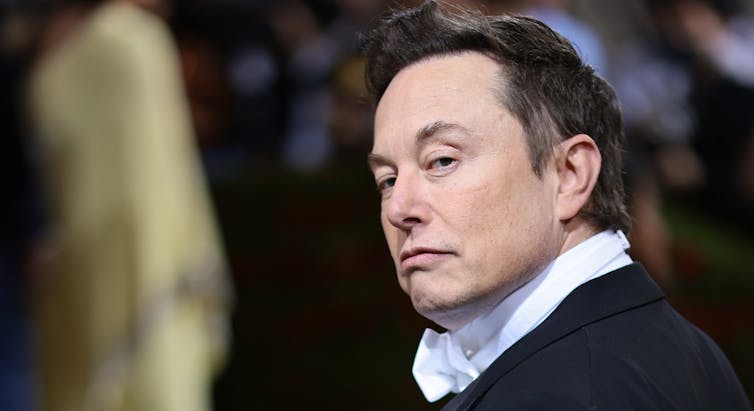
Elon Musk is the world’s wealthiest person. Dimitrios Kambouris/Getty Images for The Met Museum/Vogue

Fatema Z. Sumar, Harvard Kennedy School

U.S. income inequality grew in 2021 for the first time in a decade, according to data the Census Bureau released in September 2022.

That might sound surprising, since the most accurate measure of the poverty rate declined during the same time span.

But for development experts like me, this apparent contradiction makes perfect sense.

That’s because what’s been driving income inequality in the United States – and around the world for years – is that the very rich are getting even richer, rather than the poor getting poorer.

In every major region of the world outside of Europe, extreme wealth is becoming concentrated in just a handful of people.

Gini index

Economists and other experts track the gap between the rich and the poor with what’s known as the Gini index or coefficient.

This common measure of income inequality is calculated by assessing the relative share of national income received by proportions of the population.

In a society with perfect equality – meaning everyone receives an equal share of the pie – the Gini coefficient would be 0. In the most unequal society conceivably possible, where a single person hoarded every penny of that nation’s wealth, the Gini coefficient would be 1.

The Gini index rose by 1.2% in the U.S. in 2021 to 0.494 from 0.488 a year earlier, the Census found. In many other countries, by contrast, the Gini has been declining even as the COVID-19 pandemic – and the deep recession and weak economic recovery it triggered – worsened global income inequality.

Inequality tends to be greater in developing countries than wealthier ones. The United States is an exception. The U.S. Gini coefficient is much higher than in similar economies, such as Denmark, which had a Gini coefficient of 0.28 in 2019, and France, where it stood at 0.32 in 2018, according to the World Bank.

Wealth inequality

The inequality picture is even bleaker when looking beyond what people earn – their income – to what they own – their assets, investments and other wealth.

In 2021, the richest 1% of Americans owned 34.9% of the country’s wealth, while average Americans in the bottom half had only US$12,065 – less money than their counterparts in other industrial nations. By comparison, the richest 1% in the United Kingdom and Germany owned only 22.6% and 18.6% of their country’s wealth, respectively.

Globally, the richest 10% of people now possess nearly 76% of the world’s wealth. Meanwhile, the bottom 50% own just 2%, according to the 2022 World Inequality Report, which analyzes data and the work of more than 100 researchers and inequality experts.

Drivers of extreme income and wealth

Large increases in executive pay are contributing to higher levels of income inequality.

Take a typical corporate CEO. Back in 1965, he – all CEOs were white men then, and most still are today – earned about 20 times the amount of an average worker at the company he led. In 2018, the typical CEO earned 278 times as much as their typical employees.

But the world’s roughly 2,700 billionaires make most of their money not through wages but through gains in the value of their stocks and other investments.

Their assets grow in large part because of a cascade of corporate and individual tax breaks, rather than salaried wages granted by shareholders. When the wealthy in the United States earn money from capital gains, the highest tax rate they pay is 20%, whereas the highest income earners are on the hook for as much as 37% on every additional dollar they earn.

This calculation does not even count the effects of tax breaks, which often slash the real-world capital gain tax to much lower levels.

Tesla, SpaceX and Twitter CEO Elon Musk is currently the world’s richest man, with a fortune of $240 billion, according to a Bloomberg estimate. The $383 million he made per day in 2020 made it possible for him to buy enough Tesla Model 3 cars to cover almost the whole of Manhattan had he wished to do so.

Musk’s wealth accumulation is extreme. But the founders of several tech companies, including Google, Facebook and Amazon, have all earned many billions of dollars in just a few years. The average person could never make that much money through a salary alone.

Another day, another billionaire

A new billionaire is created every 26 hours, according to Oxfam, an international aid and research group where I used to work.

Globally, inequality is so extreme that the world’s 10 richest men possess more wealth than the 3.1 billion poorest people, Oxfam has calculated.

Economists who study global inequality have found that the rich in large English-speaking countries, along with India and China, have seen a dramatic rise in their earnings since the 1980s. Inequality boomed as deregulation, economic liberalization programs and other policies created opportunities for the rich to get richer.

Why inequality matters

The rich tend to spend less of their money than the poor. As a result, the extreme concentration of wealth can slow the pace of economic growth.

Extreme inequality can also exacerbate political dysfunction and undermine faith in political and economic systems. It can also erode principles of fairness and democratic norms of sharing power and resources.

The richest people have more wealth than entire countries. Such extreme power and influence in the hands of a select few who face little accountability is raising concerns that are part of a robust debate on whether and how to address extreme inequality.

Many proposed solutions call for new taxes, regulations and policies, along with philanthropic strategies like using grants and community-based investments to dismantle inequality.

Voters in some states, like Massachusetts, will get to weigh in on whether to raise taxes on the income earned by their richest residents in ballot initiatives in November 2022. Proponents of these initiatives claim the revenue raised would boost funding for public services, such as education and infrastructure. President Joe Biden is also proposing to almost double the top capital gains tax for those making over $1 million.

However societies choose to act, I believe change is needed.

Fatema Z. Sumar, Executive Director of the Center for International Development, Harvard Kennedy School

This article is republished from The Conversation under a Creative Commons license. Read the original article.

Japan’s ‘waste not, want not’ philosophy has deep religious and cultural roots, from monsters and meditation to Marie Kondo’s tidying up

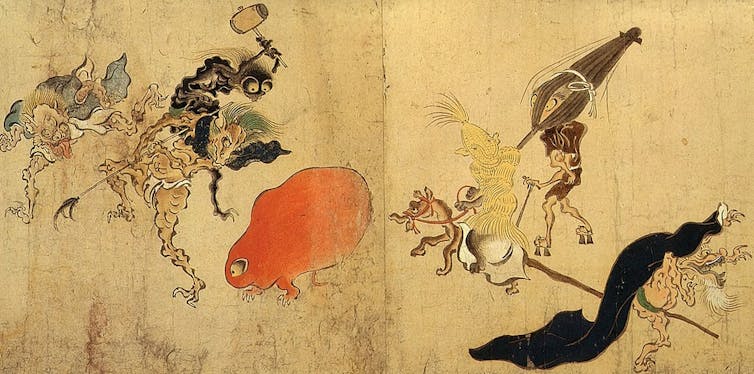
Monsters and spirits –including ‘tsukumogami,’ which are made of everyday objects – in the ‘Hyakki-Yagyō-Emaki’ scroll, painted between the 14th and 16th centuries. Wikimedia Commons

Kevin C. Taylor, University of Memphis

The word “waste” is often frightening. People fear not making the most of their time, whether at work or at leisure, and failing to live life to the fullest.

Warnings against waste run especially deep in Japanese culture. Many Americans are familiar with the famous decluttering technique of organization guru Marie Kondo, who wrote “The Life-Changing Magic of Tidying Up.” Travelers to Japan may hear the classic expression “mottainai,” which means “don’t be wasteful” or “what a waste.” There are even gods, spirits, and monsters, or “yokai,” associated with waste, cleanliness, and respect for material goods.

As a scholar of Asian philosophy and religions, I believe the popularity of “mottainai” expresses an ideal more than a reality. Japan is not always known for being environmentally conscious, but its anti-waste values are deeply held. These traditions have been shaped by centuries-old Buddhist and Shinto teachings about inanimate objects’ interconnectedness with humans that continue to influence culture today.

Soot sprites and ceiling lickers

The idea of avoiding waste is closely tied to ideas of tidiness, which has a whole host of spirits and rituals in Japanese culture. Fans of the famous animator Hayao Miyazaki may recall the cute little soot sprites made of dust in his films “My Neighbor Totoro” and “Spirited Away.” Then there’s the ceiling licker, “tenjōname”: a tall monster with a long tongue said to eat up the filth that accumulates in hard-to-reach places.

“Oosouji,” or “big cleaning,” is an end-of-year household ritual. Previously known as “susuharai” or “soot sweeping,” it is more than a chance to tidy up. The rite is believed to expel the negativity of the previous year while welcoming the Shinto god Toshigami: a major deity, considered a grandson of the gods who created the islands of Japan – and who brings good luck for the new year.

Out with the defiled and old, in with the purified and new.

A painting on a scroll shows several people in traditional Japanese clothing intensely cleaning a house.
A scene of housecleaning in preparation for the new year by artist Kitagawa Utamaro in the late 1700s. Heritage Art/Heritage Images via Getty Images

Revenge of the tools

There are countless varieties of monsters in Japanese folklore, including “yokai.” As Japanese folklore scholar Michael Dylan Foster points out, the category “yokai” is nearly impossible to define, because the meaning is ever-changing – and many yokai themselves are shape-shifters.

For instance, “yurei” are truly terrifying, vengeful ghosts. But another category of yokai is the living, shape-changing “bakemono” – including the mischievous “tanuki,” a raccoon dog, and “kitsune,” or fox, often depicted in statues guarding shrines.

One special class of yokai is known as “tsukumogami,” referring to animated household objects. This concept originates in Shinto, which literally translates as “the way of the gods,” and is Japan’s native folk religion. Shinto recognizes spirits, or “kami,” as existing in various places in the human world: from trees, mountains, and waterfalls to human-made objects.

It is said that when an object becomes 100 years old it becomes inhabited by a Shinto spirit and comes to life as a tsukumogami. The “Tsukumogami-ki,” or “Record of Tool Specters,” is a text written sometime between the 14th and 16th centuries. It tells the story of how just such objects, already 100 years old and possessed by kami, were cast out in the trash after the annual housecleaning ritual. These animated household objects took offense at their casual disregard after years of loyal service. Angered at the perceived disrespect, the tool specters went on a rampage: drinking, gambling, and even kidnapping and killing humans and animals.

A faded poster with brightly colored small images of different kinds of monsters.
A poster of monsters by Japanese artist Utagawa Shigekiyo, published in 1860. Museum of Fine Arts Boston

Despite the Shinto elements, this is not a Shinto story but a Buddhist one. The animated household objects’ frenzy comes to an end when Buddhist priests intervene – meant to convince the audience that Buddhist practices were more powerful than local spirits associated with Shinto. At the time, Buddhism was still cementing its influence in Japan.

Laying objects to rest

If the “Tsukumogami-ki” is Buddhist propaganda, it is also a cautionary tale. The cast-aside objects lash out in anger for being treated without a second thought.

Reverence for objects has persisted throughout Japanese history in many forms. Sometimes this is for practical reasons, and sometimes more symbolic ones. The samurai sword known as the “katana,” for example, was often considered the soul of the warrior, symbolizing devotion to the way of the warrior, or “bushido.” In a more everyday example, cracked teapots are not discarded but rather repaired with gold in a process called “kintsugi,” which adds an asymmetrical beauty like a golden scar.

A light-colored bowl with golden streaks across it sits against a white backdrop.
A bowl restored with gold along the cracks, using the traditional ‘kintsugi’ restoration technique. Marco Montalti/iStock via Getty Images Plus

This reverence also persists in the form of funerary services for a host of objects considered deserving of respect, such as doll-burning ceremonies performed at Shinto shrines and Buddhist temples. No longer-wanted but not-unloved dolls are collected so that the spirits within can be honored and released before the end of their lives. A similar practice exists for artisans’ sewing needles, which are put to rest with a memorial service.

Karma and clutter

The roots of these attitudes toward material things are therefore religious, practical, and psychological. As a Japanese philosophy of waste, “mottainai” keys into Zen Buddhism’s emphasis on emptiness: minimalism to empty the mind and bring insight.

This desire to show respect also stems from Buddhist beliefs that all things, living or not, are interconnected – a teaching called “pratītyasamutpāda.” It’s closely tied with conceptions of karma: the idea that actions have consequences, especially moral consequences.

In short, Buddhism acknowledges that things shape people, for better or worse. Unhealthy attachment to objects can manifest in different ways, whether it be the perceived need to buy an expensive car or reluctance to let go of unneeded items.

But that does not necessarily mean throwing away everything. When we are done with material goods, we don’t need to simply cast them into the trash to fill up landfills or pollute the air and water. They can be given a dignified send-off, whether through reuse or responsible disposal.

Failing that, the story in the “Record of Tool Specters” warns, they may come back to haunt us.

Now, that’s scary.

Kevin C. Taylor, Director of Religious Studies and Instructor of Philosophy, University of Memphis

This article is republished from The Conversation under a Creative Commons license. Read the original article.

The vote, the candidate, and your responsibilty.

Voting is a right we all have in our great nation. Voting is a very important part of the political process and one should take part in it so your voice can be heard. Even with the recent questions on the integrity of our voting systems, you should still go out and cast your vote. When you vote, do not just vote for a party, or against another party. Vote for the candidate that is best for the job and make sure who you are voting for will not only deliver what you desire but also make sure the candidate is what will be the best for all of the country.

Too many times I have witnessed people voting for a candidate just to vote against the candidate they don’t like or just down party lines. Voting in such a way, you may be voting in someone that may get you a few results or keep another candidate from winning but it could be at a great cost to the country as a whole down the road. Seems people no longer care how flawed, how dishonest, or toxic a candidate is as long as he/she fills a seat for the party they belong to or they promised to push an agenda they want to get done. They do not think about all the other things the candidate may push through they don’t like or want or the damage it may cause to the political system, political party, or the country they live in. You need to think if voting for a particular candidate if they are obviously flawed to get the agenda you want is worth the risk of damaging the country you live in.

Look at the candidate, look at his or her voting record, and behavior. Also, look at how much they avoid answering a question directly. Regardless of your political party, you should desire a candidate that has some level of integrity and will work to make this a better country for all people. Vote from your heart but also vote using your mind. Make sure who you are voting for is who you truly want and accept the responsibility for the results in the end. Because you are partially responsible for what the candidate you voted into office does during their term.

Design a site like this with WordPress.com
Get started